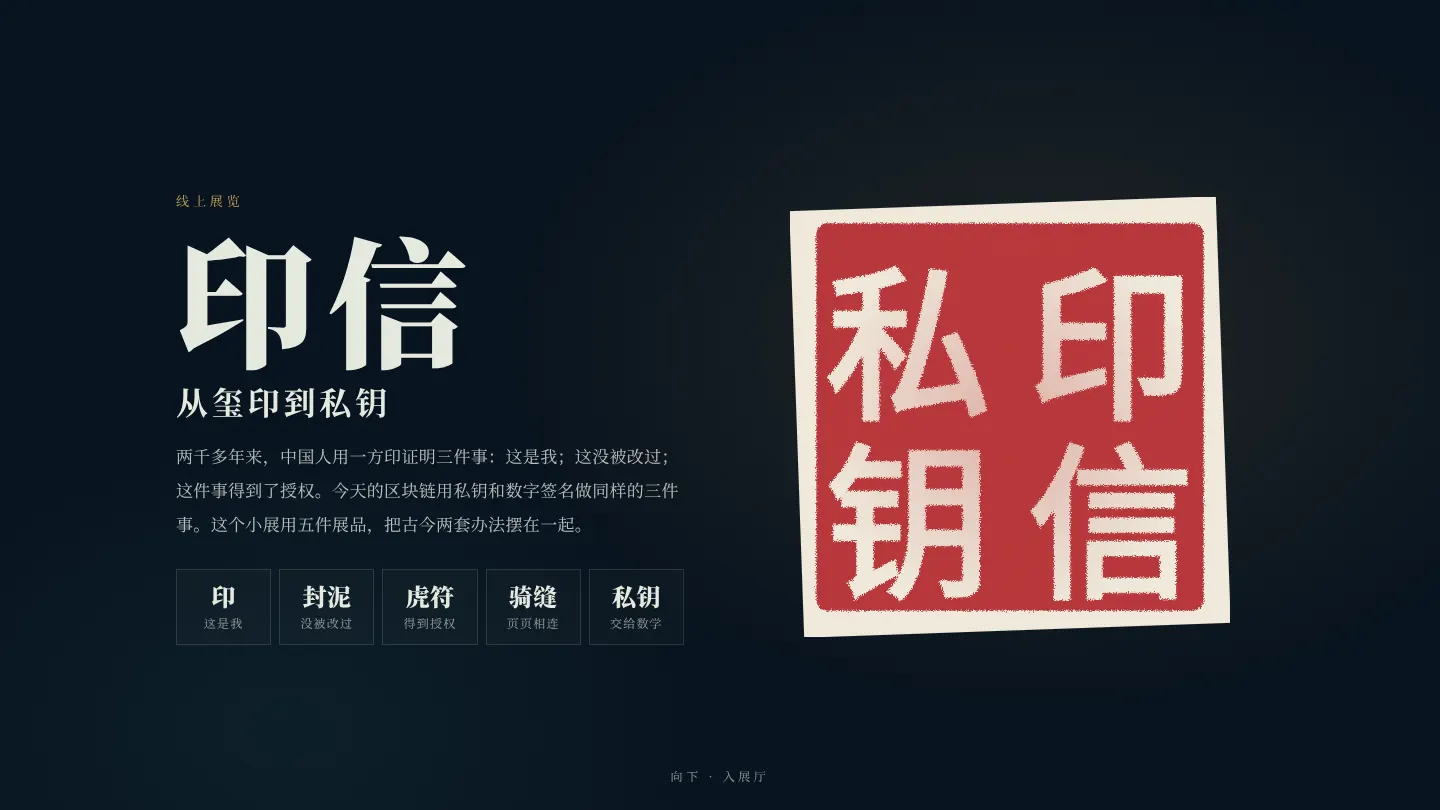
Seals: From Imperial Seals to Private Keys
Five exhibits that set two systems of “proof”, ancient and modern, side by side
- Accession no.
- Zi·1
- Location
- Writing and Seals
- Category
- Online exhibitions
- Period
- Warring States to Han
- Directed by
- Hu Yilin
- Made by
- Claude Opus 5.5
- Similar commission
- from S$50
About the exhibit
For more than 2,000 years the Chinese have used a seal to prove three things: this is me; this has not been altered; this has been authorised. Today’s blockchains do the same three things with private keys and digital signatures. This small exhibition uses five exhibits to set the two systems, ancient and modern, side by side. A seal turns a name into a unique shape. Once a clay sealing is broken, you know someone has opened it. Troops can be moved only when the two halves of the Du tiger tally match. A seam seal binds loose pages into one document. A private key is an invisible seal, left to mathematics to guard.
Every exhibit is hands-on: carve a seal of your own; change one character and watch the fingerprint of the sealed text change beyond recognition; drag the right half of the tiger tally across to join the halves; alter one page of a contract and see the seam seal no longer line up; and finally, generate a pair of keys in your browser, stamp a seal and verify it.
How this work was made
Fingerprints use SHA-256 and signatures use ECDSA (P-256 curve), both computed on the spot with the browser’s built-in Web Crypto interface. The keys in the fifth exhibit are generated and used only in your browser and are never sent anywhere. The seal impressions, clay sealing and seam seals are drawn by code, and all the interactions are illustrative.
Sources and references
- Du tiger tally, state of Qin, Warring States period, unearthed in 1973 in the southern suburbs of Xi’an, now in the Shaanxi History Museum; inscription as given in the standard transcription
- The clay sealing and seam seal exhibits are general introductions
- W3C, Web Cryptography API
Want something like this? See how to commission an online exhibition →
Spotted an error in the history, data or sources? Please write to [email protected].
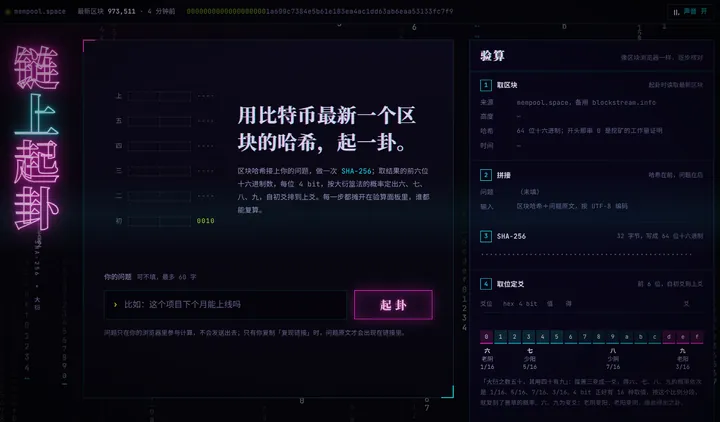 Xuan·1Casting a Hexagram on the BlockchainCasting a hexagram by the yarrow-stalk method from a Bitcoin block hash
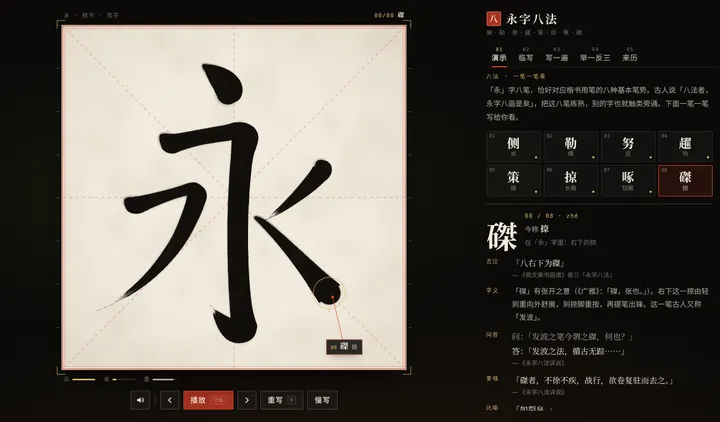 Zi·2The Eight Strokes of YongA simulated brush writes the character 永 for you stroke by stroke, then invites you to copy it yourself
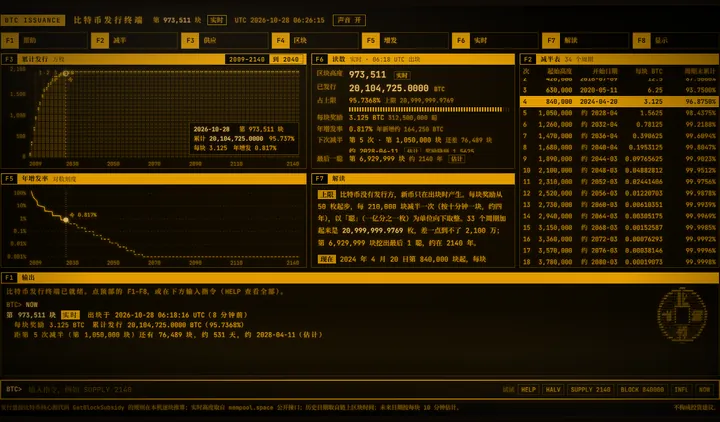 Xin·1Bitcoin Issuance TerminalBitcoin’s issuance, worked out from the rules in its source code
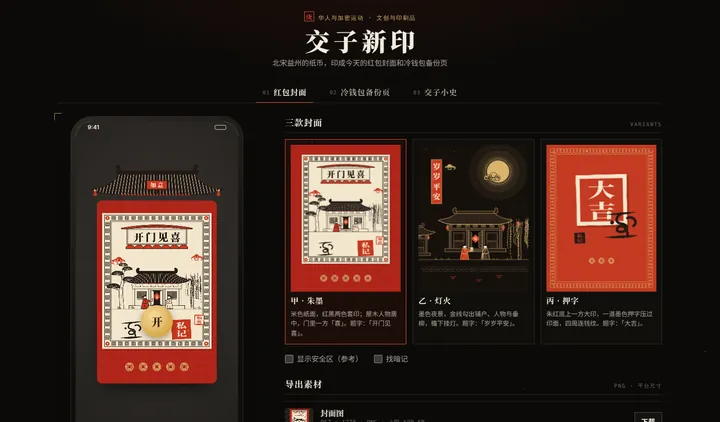 Xin·2A New Print of JiaoziNorthern Song paper money from Yizhou, printed as today’s red-packet covers and cold-wallet backup sheets
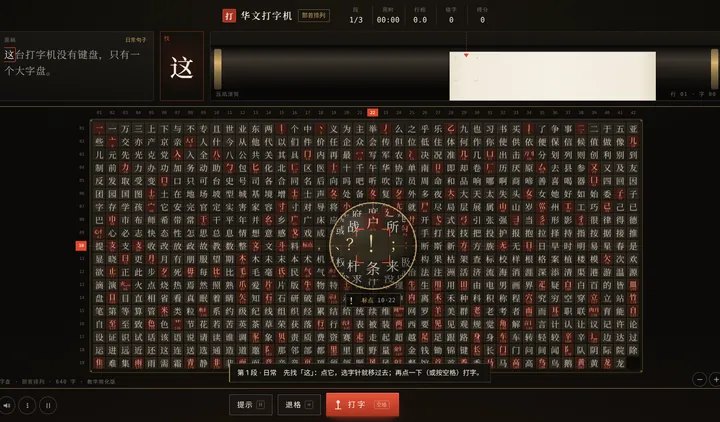 Ji·1The Chinese TypewriterFind and type characters on the tray, and compare two arrangements
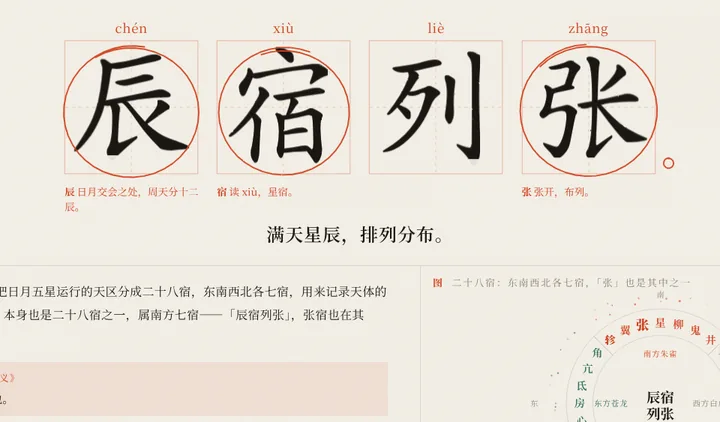 Shu·1The Thousand Character Classic: One Line, One SceneAll 250 lines written out and annotated, one by one; a panorama of the 1,000 characters, from which you can even assemble your name
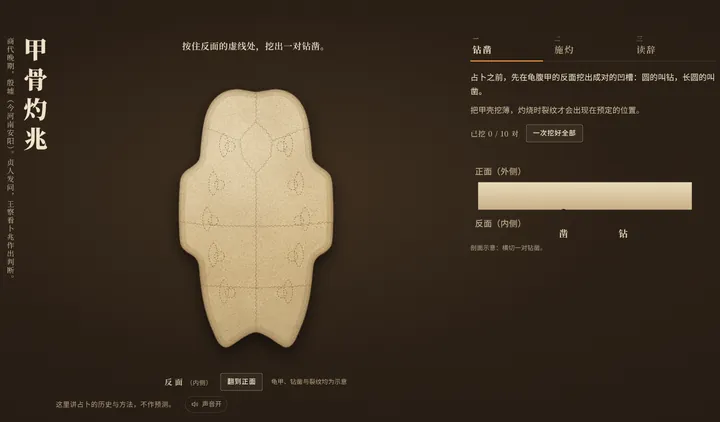 Xuan·2Cracking Oracle BonesDrilling, burning, reading: the three steps of Shang turtle-shell divination